-
by VPSO Team
- July 12, 2026
- 0 Comments
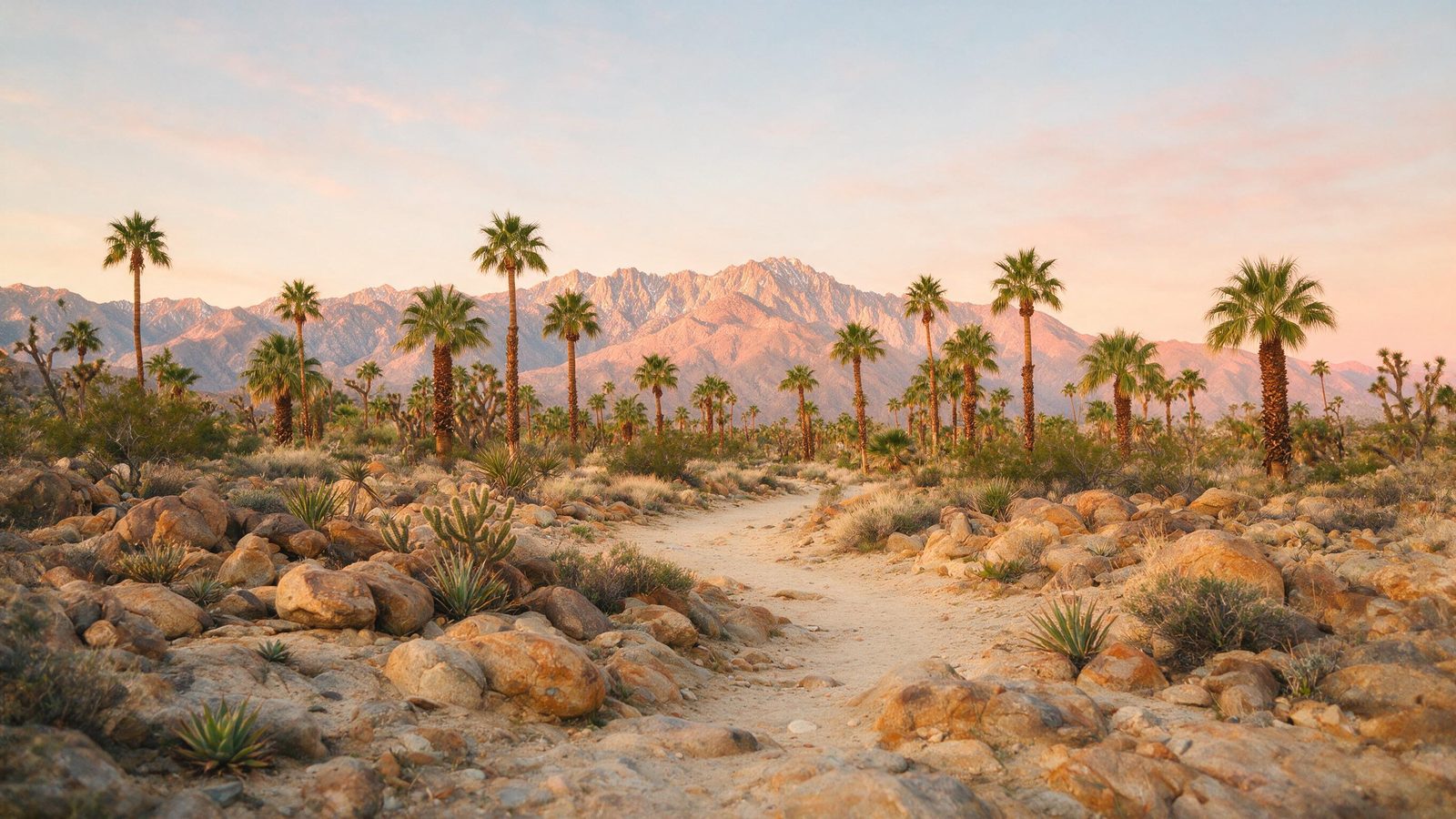
At sunrise, the desert feels like a different climate. The mountains are still holding shadow, birds are active, and a familiar Palm Springs path can feel wonderfully quiet before the heat moves in.
That early beauty deserves a cautious approach. Summer hiking is about short distances, early starts, and an honest willingness to turn around. The goal is to return with enough energy for breakfast, not to prove you can outlast the day.
Choose a modest route
Pick a trail you understand or a simple local walk with an easy exit. Summer is not the moment to test a long, exposed route or add a summit because the morning feels pleasant. The temperature will rise, and shade can be scarce when you need it most.
If you want a larger outdoor experience on a cooler season visit, keep {a(“jtree”,”Joshua Tree National Park”)} for a day when conditions and timing support it. In midsummer, small local goals are the smart version of adventure.
A shorter route means you can choose the safest time window instead of trying to make the landscape fit a late start.
Set a true sunrise start
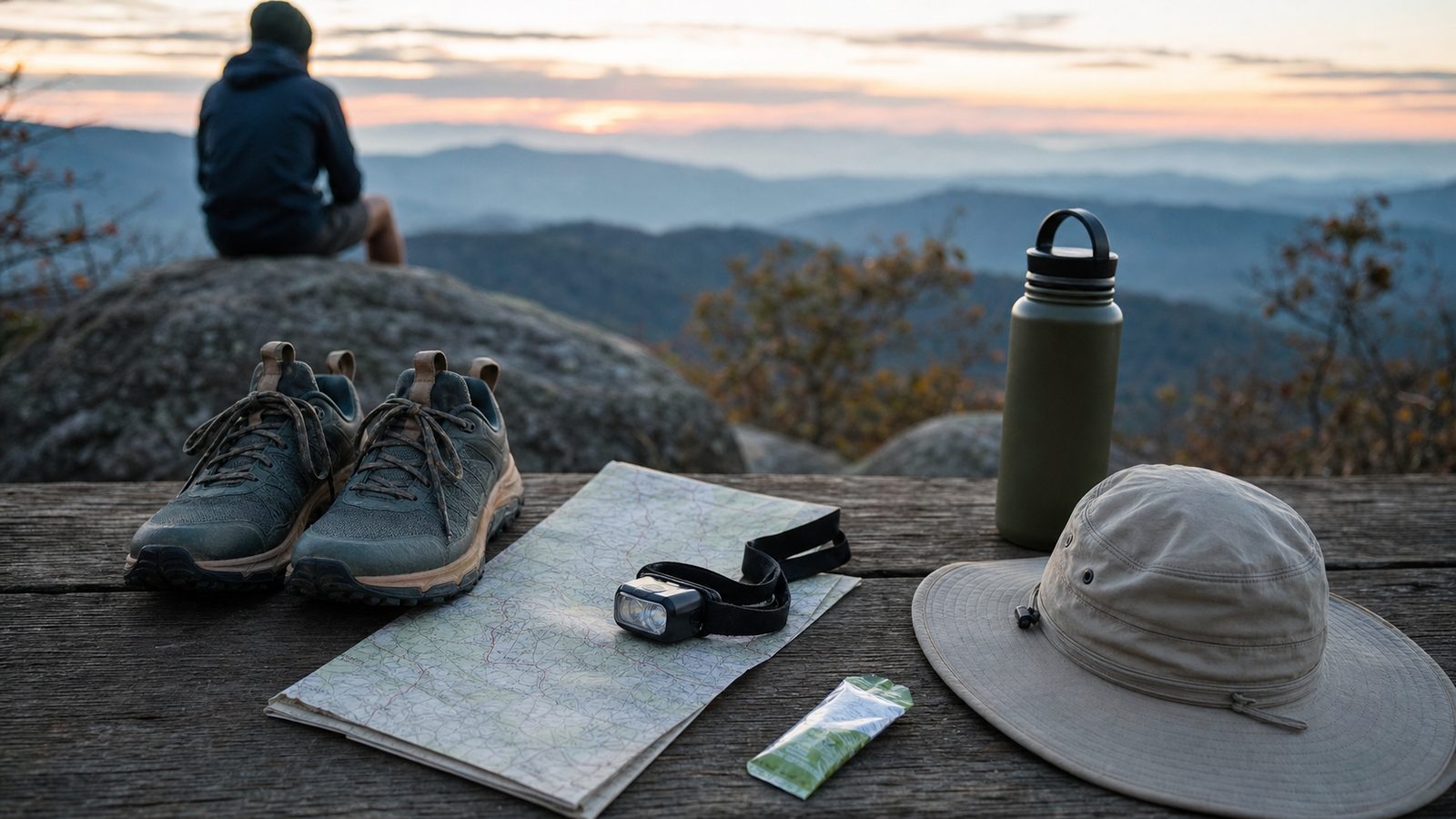
Prepare the night before: shoes, headlamp, water, keys, and a light snack should be ready by the door. Leaving while it is still dim can be safer and calmer than trying to organize a group at the trailhead.
A headlamp is useful for the first minutes, but do not let the darkness make you careless. Stay on the obvious route, watch your footing, and make sure everyone in your group is comfortable with the pace before you move farther from the car.
Night-before preparation reduces the temptation to delay until the trail is already warming.
Carry more water than feels necessary
Bring water for the hike and extra for the drive back. Sip steadily rather than waiting until you are thirsty, and include electrolytes when the outing is longer or the forecast is severe. A small snack can help, but water and shade are the essentials.
Do not count on finding water, cell service, or a helpful breeze once you are out. Tell someone your plan, keep your phone charged, and ensure every person carries their own supply rather than depending on one shared bottle.
Each hiker needs independent water and a clear understanding of the route and return time.
Use a firm turnaround rule
Choose your turnaround time before you begin and follow it even if the view is just ahead. The rule protects you from the common error of judging the return by how good you feel at dawn rather than how hot it will be an hour later.
Turn around sooner if anyone feels weak, dizzy, nauseated, or confused. Get into shade or air-conditioning and seek appropriate help if symptoms do not improve. No photograph or trail goal is worth ignoring a heat warning.
The turnaround rule should be based on the clock and conditions, not on the desire to reach a viewpoint.
Read the landscape with respect
Stay on established paths, give wildlife space, and pack out every item you brought. Desert plants and soil recover slowly from careless shortcuts. A quiet sunrise is also a chance to hear the place, so keep voices low and let other walkers have their own morning.
Wear sun protection even when the first half-hour feels cool. A hat, sunglasses, and light breathable layers make the return more comfortable when the sun clears the ridge and the trail changes character.
Post-hike rest is part of the plan and gives you a better chance of enjoying the full day safely.
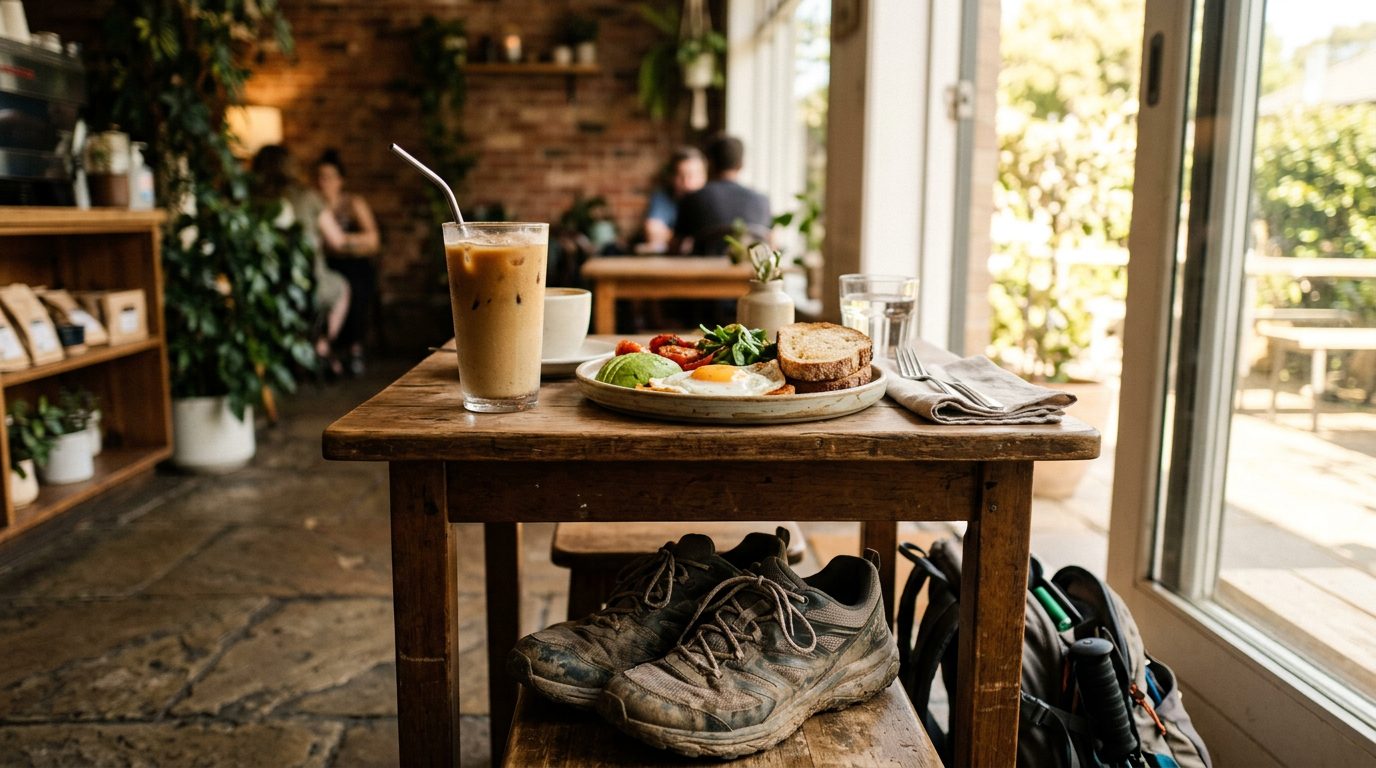
Reward the early start
Finish with a cool shower and breakfast, not a second errand. A stop at Cartel Roasting Co or a meal from the Where To Eat & Drink directory can turn the hike into the first chapter of a relaxed day.
Spend the middle hours by the pool, in a museum, or in a quiet room. The rest you take after a sunrise hike is what makes it reasonable to enjoy dinner later, instead of falling asleep before sunset.
Plan your visit
Check conditions, choose a short route, and browse the events calendar for an evening plan that will not require you to overextend the day. Use Things To Do for cooler-hour alternatives if the forecast says the trail should wait.
In July, desert heat can become dangerous quickly after morning. Start early, bring more water than you expect to use, and regard a conservative turnaround as the mark of an experienced desert visitor.
For a sunrise hike, the final details matter as much as the headline plan. Check the forecast before bed and be willing to replace the hike with a quiet neighborhood walk if overnight heat leaves too small a safety margin. Keep the morning group small enough that everyone can move at the same cautious pace and communicate easily if somebody needs to stop. Photographs are more enjoyable when they are taken during a planned pause, never while you are racing the clock on an exposed return. Once you are back in air-conditioning, continue drinking and do not begin another outdoor task just because the hike ended earlier than expected. Check the forecast before bed and be willing to replace the hike with a quiet neighborhood walk if overnight heat leaves too small a safety margin. Keep the morning group small enough that everyone can move at the same cautious pace and communicate easily if somebody needs to stop. Photographs are more enjoyable when they are taken during a planned pause, never while you are racing the clock on an exposed return. Once you are back in air-conditioning, continue drinking and do not begin another outdoor task just because the hike ended earlier than expected. Check the forecast before bed and be willing to replace the hike with a quiet neighborhood walk if overnight heat leaves too small a safety margin. Keep the morning group small enough that everyone can move at the same cautious pace and communicate easily if somebody needs to stop. Photographs are more enjoyable when they are taken during a planned pause, never while you are racing the clock on an exposed return. Once you are back in air-conditioning, continue drinking and do not begin another outdoor task just because the hike ended earlier than expected.